
If you have ADHD or think you might:
The A.D.D. Resource Center can help!

“If I Can Do It, So Can You”: The Ignorance That Misjudges ADHD

“If I can do it, so can you” assumes that a task easy for one person is easy for everyone. Drawing on Kelley and Jacoby’s word-puzzle experiments, a study of higher reported mental effort among young adults who screened at risk for ADHD, the World Federation of ADHD consensus statement, and federal ADA regulations that weigh effort and time rather than outcomes, the article explains that ADHD is a neurobiological disorder, not laziness, and why its cost stays invisible. It shows why “it only takes ten minutes” debilitates rather than motivates, and gives adults with ADHD six ways to respond: say what the comparison does, talk about the cost, help the other person find their own head start, show the steps, point to an outside authority, and know when to stop, meeting doubters with patience.

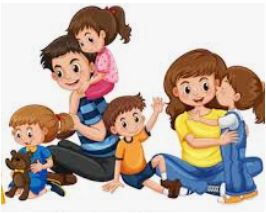
When Grandparents Don’t “Believe” in Your Child’s ADHD (And How to Handle It)

You’re not imagining the tension. When grandparents dismiss your child’s ADHD diagnosis, it creates real conflict—but understanding why they resist can help you respond effectively and protect your family.

When Your Other Child Asks: “Why Does My Sibling Get All the Attention?”

The sibling who doesn’t have ADHD is watching—and forming conclusions. When you need to redirect your ADHD child for the third time during dinner, when you’re helping them find shoes that were “right there a second ago,” when bedtime takes an extra 45 minutes of regulation support—your other child is drawing conclusions about what this means. Without your guidance, they might conclude that their sibling is careless, isn’t trying hard enough, or gets away with things they wouldn’t be allowed to do. These misunderstandings can harden into lifelong stigma. But here’s the opportunity: this question is actually a gift. It means your neurotypical child trusts you enough to voice their confusion, and it gives you the chance to shape how they understand human difference. The language you use now will influence not just their relationship with their sibling, but how they think about disability, neurodiversity, and what it means to be “smart” or “capable” for the rest of their lives.

/* Clarify tracking https://clarity.microsoft.com/ */