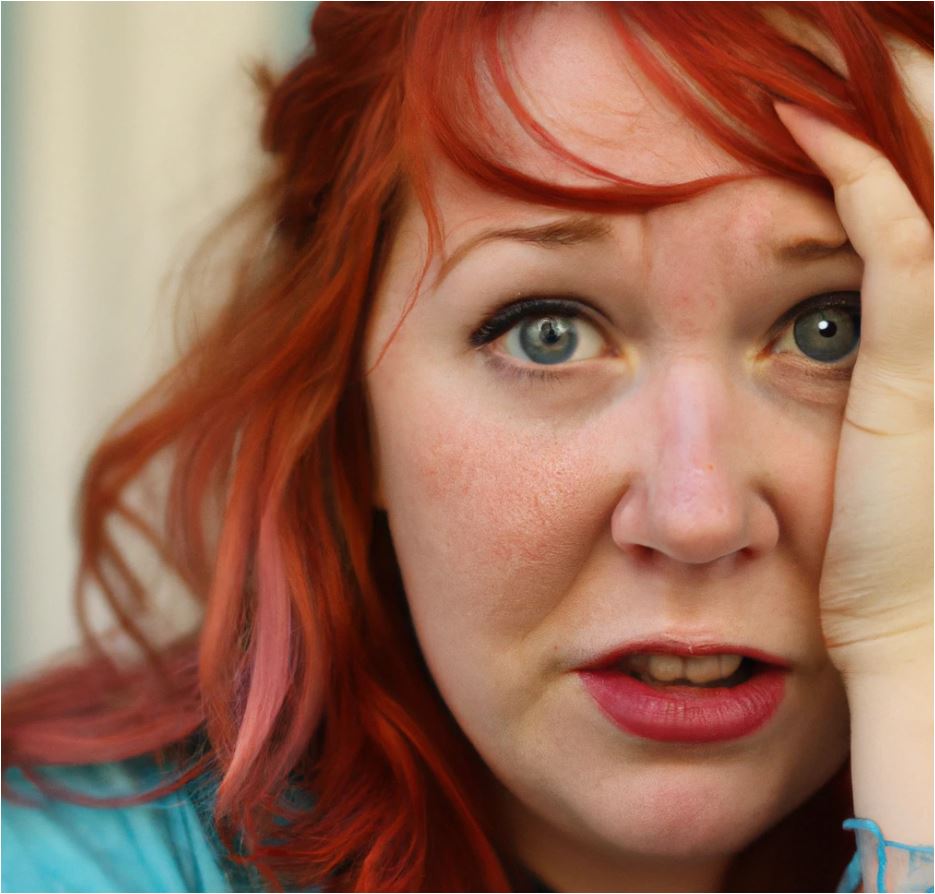
If you have ADHD or think you might:
The A.D.D. Resource Center can help!

Why your ADHD brain clings to negativity

For many people with ADHD, negativity persists because it works — not for your happiness, but for your nervous system. Negative thoughts and feelings deliver intensity, certainty, and stimulation that an under-aroused ADHD brain craves, which makes them stickier than mild positive ones. You cling to negativity not because you prefer it, but because it is the most reliable activation available. Lasting change comes from replacing the function negativity serves, not from telling yourself to “think positive.”

Why Should I Hire You Instead of AI?

The interviewer leans in and asks the question that empties your stomach: “Why should I hire you when AI can do the same work — better, faster, more accurate, and cheaper?” Freeze, and you confirm the doubt. But this question isn’t a trap. It’s an open door. Answered well, it becomes the strongest case you can make for yourself — and the moment the room shifts in your favor.

When crisis is the real ADHD epiphany

Without converting crisis-motivation into systems in the first 30 to 90 days, most adults slide back toward the patterns that produced the crisis in the first place. The cost of relapse compounds — the body keeps the tally, the relationships have less margin, the financial damage layers, and the next crisis tends to be larger. The reward of conversion is also real: this can genuinely be the inflection point of your life. Honest, structural change after crisis is possible. It is not automatic, and it is not graceful, but it is available to you starting today.

Why Novelty-Seeking Adults Thrive in These 7 Fields

Career mismatch is expensive. Adults with ADHD switch jobs more often, earn less over time, and report higher burnout — much of which traces to working in environments designed for steady, routine output. The cost is not only financial. Chronic boredom corrodes self-esteem, fuels the “I can’t keep a job” narrative, and feeds rejection sensitivity. Choosing a field that rewards your wiring rather than punishes it is one of the highest-leverage decisions you can make for your earning potential and your mental health.

How to Stop “Hating” People Around You When You Have ADHD

People with ADHD rarely set out to dislike humanity. The slide into misanthropy is usually accidental — the cumulative residue of rejection sensitivity, exhausting social masking, forgotten plans, misread intentions, and years of feeling chronically out of step with the people around you. Over time, the nervous system learns a shortcut: people are the problem. This article unpacks why ADHD can tilt you toward contempt for others, why that tilt is worth resisting, and the specific, practical moves that interrupt it without asking you to become a different person.

When “Too Nice” Backfires: People-Pleasing and ADHD

freinds having coffee

Chronic niceness is not kindness. It is a fear-driven pattern in which you trade your time, energy, and authenticity for approval or the absence of conflict — and what you actually transmit to others is rarely warmth. For adults with ADHD, the same impulse is amplified by rejection sensitivity, time blindness, and optimism bias, turning well-meant offers into broken promises. The thesis is simple: people-pleasing communicates the opposite of what you intend.

AI replacing you at work? What to do next

Harold Robert Meyer | The ADD Resource Center haroldmeyer@addrc.org    http://www.addrc.org/   Reviewed 0​4/16/2026 – Published 0​4/25/2026 ​Listen to understand, not just to respond​ If the news cycle has you wondering whether your job survives the year, you’re not alone—and you’re not powerless. The workers who come out ahead are the ones who stop waiting and start repositioning … Read more

The art of apologizing when you have ADHD

You didn’t mean to snap, forget, interrupt, or disappear into hyperfocus—but you did, and now there’s tension. When you live with ADHD, you may find yourself apologizing a lot, or avoiding apologies because they feel shameful, repetitive, or pointless. This article gives you a practical, ADHD-friendly way to apologize that actually repairs trust instead of just saying “sorry” and hoping everyone moves on.

ADHD & Hot-Button Debates: 8 Strategies to Stay Out

​Harold Robert Meyer | The ADD Resource Center haroldmeyer@addrc.org   http://www.addrc.org/  Reviewed 03/01/2026 – Published 03/07/2026 ​​Listen to understand, not just to respond​ Executive Summary Hot-button topics—Ukraine, Iran, immigration, politics—can ignite instant, intense reactions in people with ADHD. Impulsivity, emotional dysregulation, and a dopamine-seeking brain make it surprisingly easy to step into a heated debate you never planned to … Read more

How to Turn Overwhelming Emails Into Organized Action Plans: A Productivity System From The ADD Resource Center

​Harold Robert Meyer | The ADD Resource Center haroldmeyer@addrc.org     http://www.addrc.org/   Reviewed 0​3/​01/2026 – Published 0​3/30/2026 ​​Listen to understand, not just to respond Caution: Make sure your emails and your computer/smartphone is completely backed up first. If you are unsure of how to do this – don’t. Do not rely exclusively on this AI tool, as it … Read more

How to Be a Good Body Double for Someone with ADHD

American Sign Language icon

​​Harold Robert Meyer | The ADD Resource Center   Reviewed 02/20/2026 – Published 02/20/2026 ​​Listen to understand, not just to respond By Harold Robert Meyer and The ADD Resource Center | February 2026 Someone you care about has ADHD and has asked you to be their “body double.” You agreed to help, but now you’re unsure about what … Read more

ADD Resource Center
/* Clarify tracking https://clarity.microsoft.com/ */