RSD, rejection sensitivity, or social anxiety: How to tell the difference
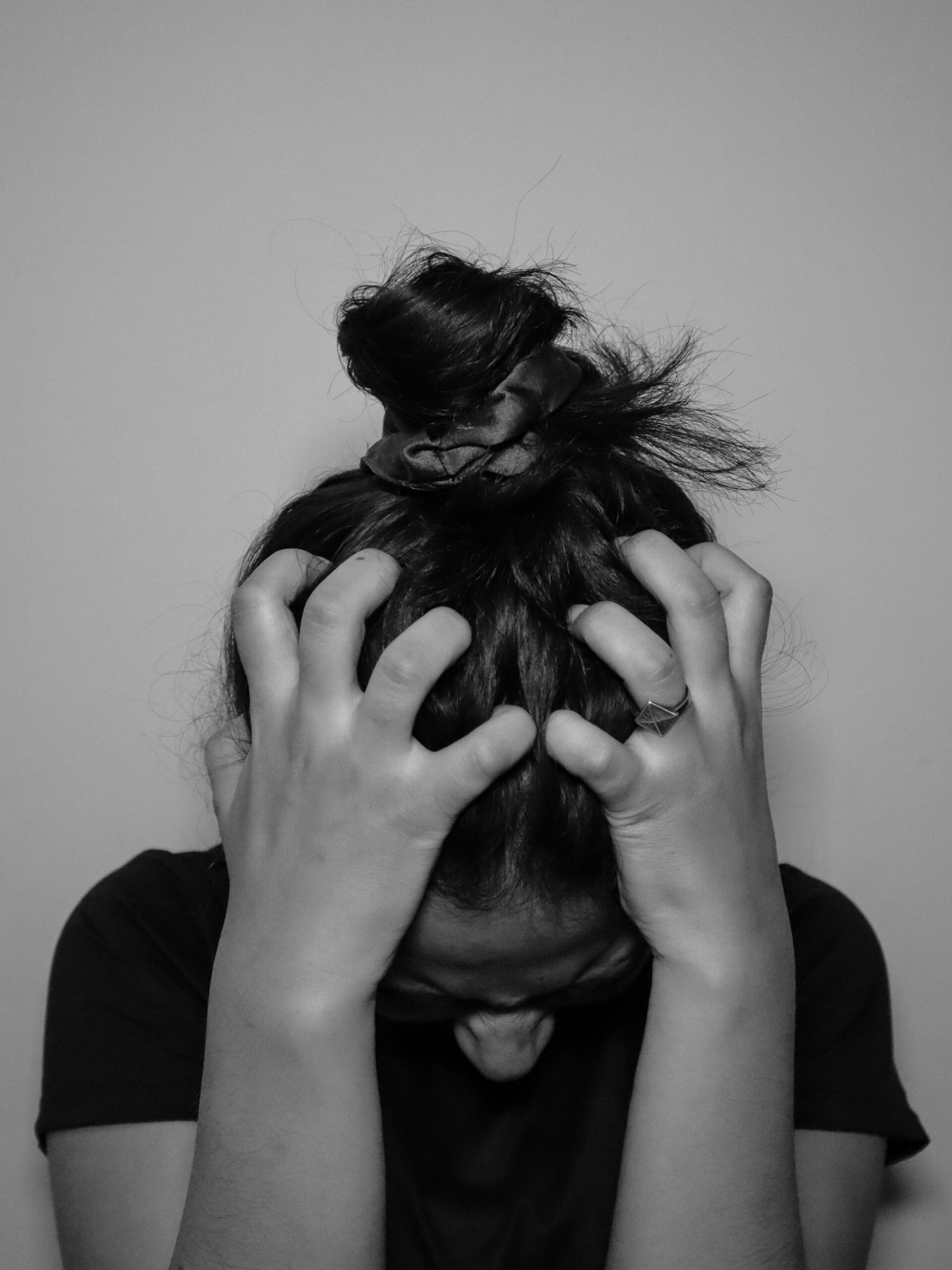
Social anxiety, rejection sensitivity, and RSD get blurred together. Here is what each one means, how to tell them apart, and where ADHD fits.

Social anxiety, rejection sensitivity, and RSD get blurred together. Here is what each one means, how to tell them apart, and where ADHD fits.

Rejection Sensitive Dysphoria (RSD) describes a real, well-recognized pattern of intense, fast-onset distress after perceived rejection or criticism, common in ADHD — but it is not a DSM or ICD diagnosis, has no validated instrument, and its leading pharmacologic treatment (alpha-2A agonists) was publicly questioned as ahead of its evidence by the term’s own popularizer in 2024. This piece distinguishes the peer-reviewed rejection-sensitivity construct (Downey & Feldman, 1996) from the newer clinical term “RSD,” incorporates a 2026 qualitative study and the current emotional-dysregulation literature, and lays out how the pattern is actually evaluated, treated, documented, and billed.

Four things stop adults with ADHD from asking. None of them is fixed by feeling better about yourself. Here is what fixes them.

The stakes are higher than an awkward evening. Couples affected by ADHD face elevated rates of conflict, dissatisfaction, and divorce, and the damage rarely arrives in one blowup — it accumulates, one missed moment at a time, until the relationship hardens around the pattern instead of the love. Left unexamined, these habits can cost you the person who chose you. Caught early, they’re among the most fixable problems in any relationship, because they’re concrete, visible, and yours to change.

People with ADHD rarely set out to dislike humanity. The slide into misanthropy is usually accidental — the cumulative residue of rejection sensitivity, exhausting social masking, forgotten plans, misread intentions, and years of feeling chronically out of step with the people around you. Over time, the nervous system learns a shortcut: people are the problem. This article unpacks why ADHD can tilt you toward contempt for others, why that tilt is worth resisting, and the specific, practical moves that interrupt it without asking you to become a different person.

For individuals with ADHD, disagreements can trigger emotional flooding, making it harder to articulate thoughts clearly or regulate reactions. Rejection Sensitive Dysphoria (RSD) may amplify the stakes of every conflict. Learning to disagree skillfully isn’t about avoiding confrontation—it’s about engaging authentically without the aftermath of regret, damaged relationships, or spiraling self-criticism. These skills benefit every area of life, from work to family dynamics.
This article explores why individuals with ADHD may fall into this cycle, how broken promises erode trust over time, and practical strategies for building authentic communication habits that preserve your credibility and relationships.

Harold Robert Meyer | The ADD Resource Center 06/21/2025 Executive Summary Speaking with authority can feel challenging when you have ADHD, but it’s absolutely achievable with the right strategies and mindset. This article explores how ADHD symptoms like racing thoughts, impulsivity, and rejection sensitivity can impact your communication style, while providing practical techniques to project … Read more

The stakes are real: adults with ADHD have significantly shorter relationship durations and higher rates of relationship dissatisfaction when challenges go unaddressed. PubMed But here’s the encouraging truth – with ADHD-specific strategies and proper support, you can build the dating confidence you deserve.

Why This Guide Matters
A midlife job loss strikes at the core of your identity, financial security, and self-worth. For adults with ADHD, these challenges are amplified by rejection sensitivity dysphoria (RSD), executive function difficulties, and years of accumulated workplace trauma. Yet with the right strategies, this crisis can become the catalyst for a more fulfilling and authentic career path.

Understanding the potential link between ADHD and the development of misanthropic attitudes is crucial for parents, educators, and mental health professionals. If left unaddressed, negative social experiences and persistent rejection can lead to emotional withdrawal, cynicism about human nature, and in some cases, a retreat from meaningful social connections. By identifying early risk factors and implementing targeted interventions, you can help children with ADHD develop healthy social perspectives and functional relationships, potentially preventing the emergence of misanthropic tendencies that could otherwise persist into adulthood.