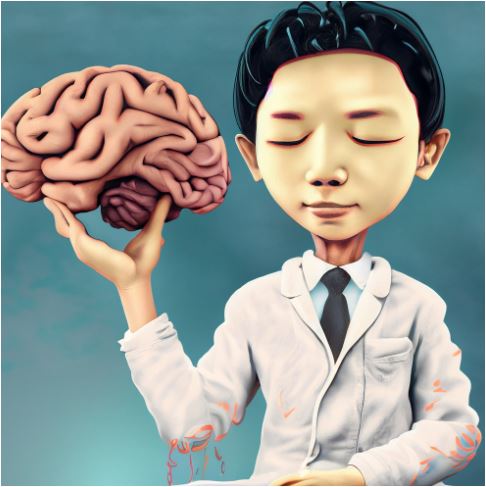
If you have ADHD or think you might:
The A.D.D. Resource Center can help!

An explanation of bi-directional and unidirectional co-morbidity.

In mental health, the terms unidirectional and bidirectional comorbidity describe how two or more disorders are related or influence one another over time. The distinction helps clinicians and researchers understand whether one condition causes or predisposes a person to another, or whether the relationship is reciprocal.

Every Vote Counts: Why Your Participation in Democracy Matters

Choosing not to vote doesn’t mean you’re staying neutral. In practice, not voting can effectively become a vote for the candidate you least want to win. When you stay home, you’re not just withholding support from your preferred candidate – you’re making it easier for their opponent to win. If the candidate you oppose wins by a small margin, every non-voter who opposed them but didn’t cast a ballot contributed to that outcome. Your absence at the polls strengthens the relative power of those who do show up, including those supporting candidates or policies you may strongly oppose.

The Empathy Deficit: How Digital Communication Is Reshaping Human Connection

The smartphone revolution promised to solve the ancient problem of human isolation. Instead, it may have created a new form of loneliness—one where we are perpetually connected yet emotionally distant, constantly communicating yet increasingly unable to understand one another. The core issue is not merely that we spend too much time on our devices, but that digital communication is fundamentally rewiring our capacity for empathy, with profound consequences for romantic relationships, family bonds, and social cohesion.

Why Media Needs More ADHD Voices

Harold Robert Meyer | The ADD Resource Center  Reviewed 09/19/2025 Published 09/21/2025Listen to understand, rather than to reply. Executive Summary You live in a world where media organizations set the tone for public conversation, but many outlets have grown timid, overly cautious, and hesitant to take risks. For people with ADHD, this trend is striking because your … Read more

Is there a “best practice” for an individual to approach their insurance carrier to ask whether a service can be covered?

Approaching an insurance carrier to inquire about coverage for a specific service requires preparation and clarity to ensure you get accurate and useful information. Here are best practices for an individual to follow

Why You Must Get the Measles Vaccine to Protect Yourself and Others

The measles vaccine protects you and others, especially infants, pregnant women, and immunocompromised individuals who rely on herd immunity. Unvaccinated individuals risk sparking outbreaks, as seen in recent years when cases surged due to vaccine hesitancy.

By getting vaccinated, you contribute to community health and reduce the burden on caregivers, educators, and healthcare systems. The ADD Resource Center emphasizes proactive health measures, and vaccination is a simple, impactful step to safeguard your well-being and that of others.

Can People with ADHD Really Transform Their Lives? The Science Says Yes

help support sign post

Knowing that ADHD is manageable flips the script from despair to possibility. It’s not just about surviving day-to-day—it’s about thriving in a way that feels authentic to you. With better treatments, smarter habits, and a shift in how we view neurodiversity, you can unlock a higher quality of life. This isn’t just personal; it’s part of a bigger conversation about recognizing ADHD as a difference with potential, not a flaw to fix.

Why Is Medicine Proactive When Protective Makes So Much More Sense?

The shift from reactive to proactive medicine is not just a buzzword; it’s a necessary evolution. Understanding why medicine chooses proactivity over mere protection reveals the deeper logic shaping your healthcare experience, your insurance premiums, and your personal health journey.

Navigating the Return: How to Adjust When Your Child Moves Back Home After Graduation

The trend of adult children moving back home after graduation is reshaping family dynamics across the country. Economic pressures, student debt, and an uncertain job market have made this so-called “boomerang generation” more prevalent than ever. This adjustment period can lead to resentment and frustration for both parents and children, or it can serve as a foundation for stronger, more respectful relationships in the future. Understanding how to navigate this transition is crucial for maintaining family harmony and supporting your child’s journey toward independence.

ADD Resource Center
/* Clarify tracking https://clarity.microsoft.com/ */